Chinchillas
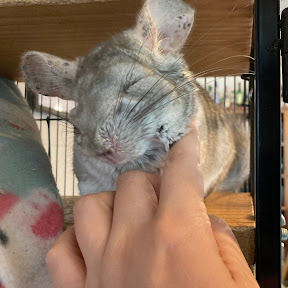
Chinchillas aren't just your everday, common rats and mice however. Chinchillas are incredibly unique rodents. Chinchillas can have up to 80
hairs per hair folice (for comparison humans only have one per). Chinchillas also posses the second densest fur of ANY ANIMAL
(second to only otters).
Chinchillas come in a wide variety of shapes, sizes and even colours. Through years of selective breeding, common chinchilla colours
include beige, light grey, dark grey and white. Altough, some "rarer" colours may include indigo, violet, purple, blue, brown and jet black
Chinchillas are also actually what are known as "crepuscular" animals. Which means that they're not quite nocturnal, but not
quite diurnal. Chinchillas tend to be most active between 7pm-11pm, depending on daylight hours. It is because of evolving in dark environments, that the fur
on chinchillas' bellies is white, so when they want to signal to one of their herd members, they stand on their hind legs, so
the other chinchillas can see the white fur in the dark.
Physical Feats
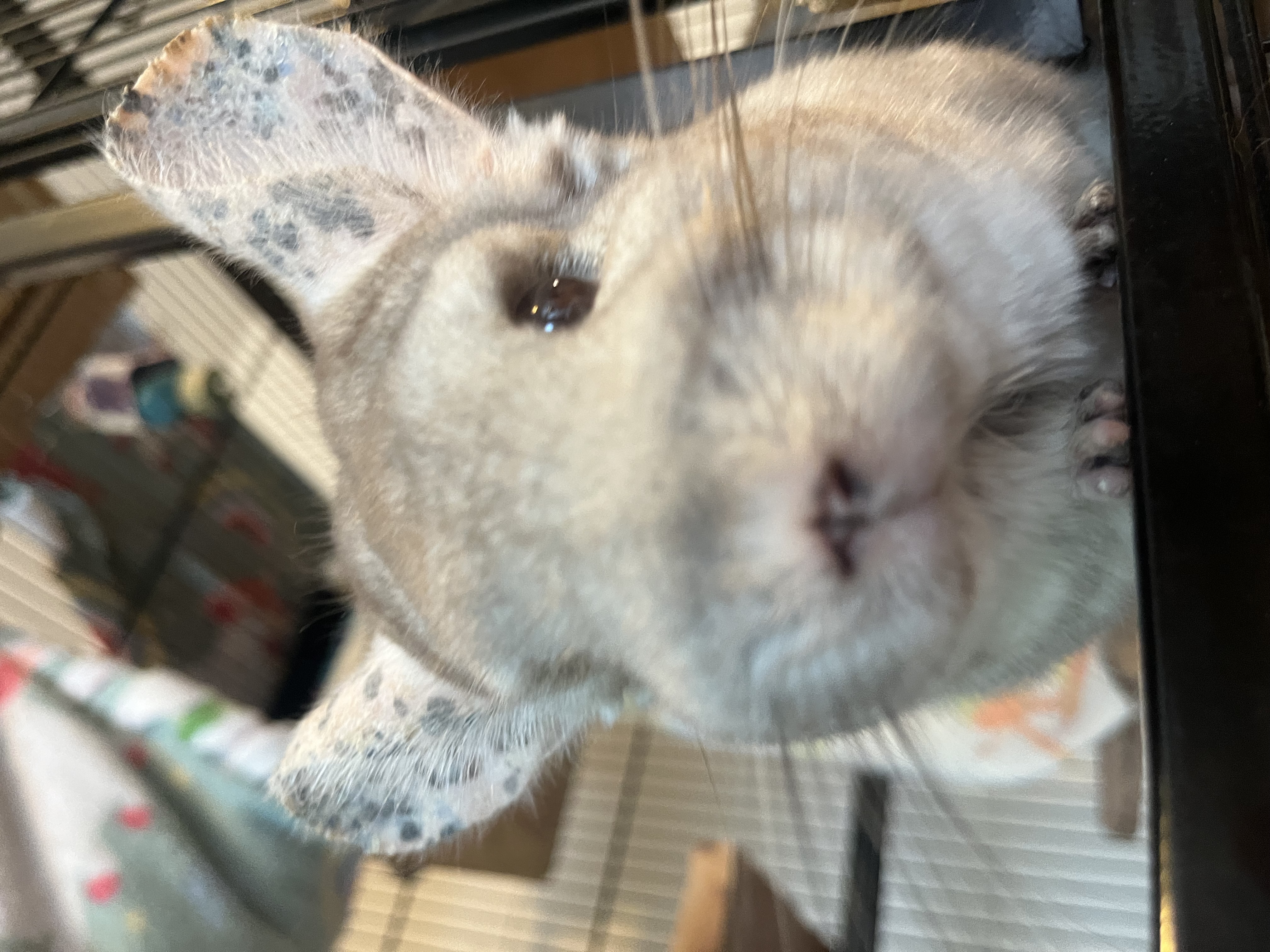
Chinchillas have highly unique physical features. Despite being smaller than a household tissuebox, they can run EXTREMELY fast, with the fastest recorded
speed being 40kmph! Not only this but they can also jump up to six feet high, that's nearly 2 meters!
Because of this, you
might assume they must be really strong and durable, right? Wrong. If you even try and hug one, their ribs will instantly shatter,
that's just how frail they are. On top of this, they can't even get wet, since their fur is so dense that
the water simply gets trapped in their fur and will be unable to escape, eventually leading the chinchilla to get a terrible
cold and eventually die. Despite this, chinchillas posses incredibly powerful bites. Capable of piercing the skin
with ease and drawing blood. In my opinion, if a chinchilla wanted to, they could probably bite off your
finger with ease. In fact, if a chinchilla was the size of a human child, they'd actually be able to bite through solid metal
like a knife through jelly. Their extremely powerful biting force stemmes from their extremely powerful jaw muscles, but...
why are they so strong?
Well, chinchillas' front teeth never stop growing, meaning they have to constantly chew on random objects to wear down
their teeth, it's actually a natural instinct of them, to just chew on random things they see. This is also the same reason
chinchillas must be kept in (LARGE) cages,
chewing, they're ALWAYS excercising their jaw muscles, which is what makes an adult chinchilla's bite just so powerful.
so that they don't chew on wires, plastic objects and things that they can't digest, killing them. However, due to this constant
Now, in terms of senses, chinchillas have a very poor sense of eyesight. This may lead you to beleive that they must have
their other senses heightened. However, this is actually wrong. Chinchillas also have a very poor sense of hearing and smell
as well. Although, they tend to make up for this with their incredibly long whiskers. Chinchillas have VERY
long whiskers that tend to be very spread out in comparison to other rodents. Chinchillas' whiskers are usually
around half their body length.
The spanish conquest of Peru and the tragic history of chinchillas

Despite being a seemingly unrelated and tragic event, the Spanish conquest of Peru had a major impact on chinchillas as a whole.
Somewhere in the 11th century, a kingdom of people now known as the “Chincha people”, had migrated from the highlands and had
made their way into southwest Peru. There, they established a sophisticated society. They unified various tribes in the region,
built a powerful state centered on agriculture and trade, and resisted threats from other regional powers, and at some point
domesticated a species that are now known as Chinchillas. (though that was not their original name)
This image is in the public domain as the original author, Juan Lepiani died in 1932.
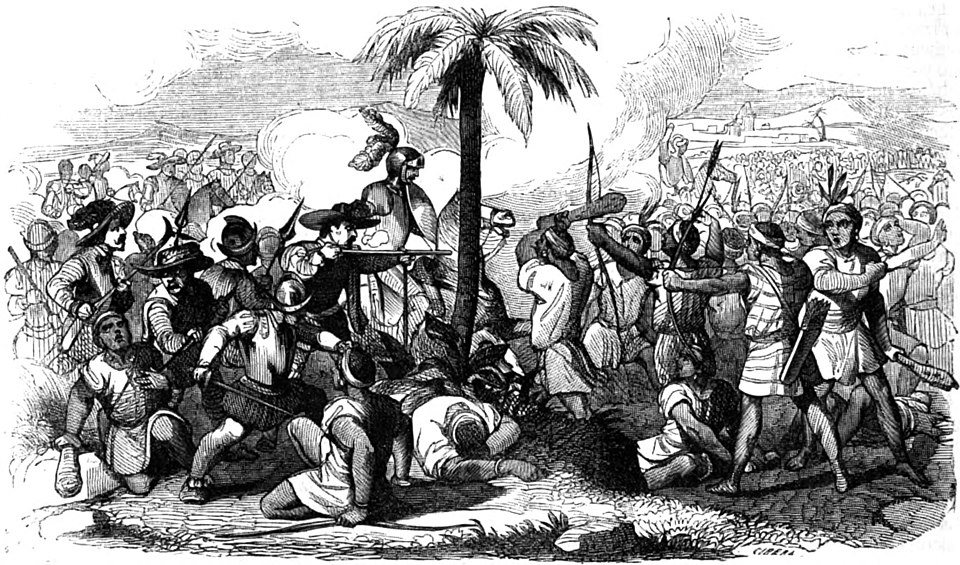
However, in 1532, everything changed. The Spanish conquested Peru. This event is now known as The Spanish conquest of
the Inca Empire, and was an incredibly significant event in history. The total death count is currently unknown to this day,
however it was estimated to have wiped out around 95% of the native american population. This event was DEVASTATING for the
Chincha people. All of them ended up dying. Almost all of the information about this event, or even the Chincha people as a
whole are currently unknown, since literally every last one of them was slaughtered, with the only remains of their culture
being chinchillas. Infact, the “Chincha people” weren't even originally called that. They were named after the Chinchaysuyo
Region by the Spanish colonists.
This work is in the public domain in its country of origin and other countries and
areas where the copyright term is the author's life plus 100 years or fewer.
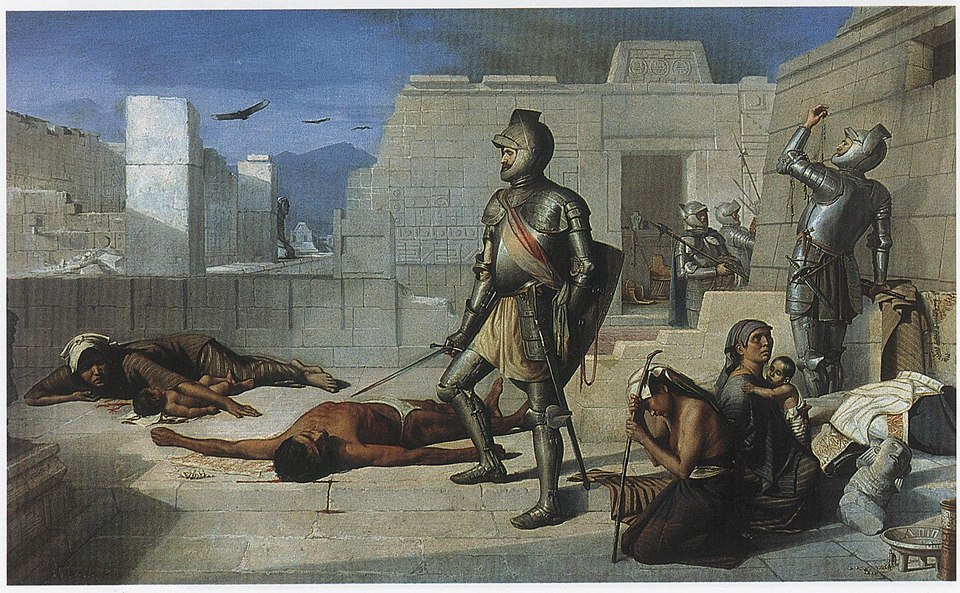
This event initially started the massive, rapid population decline of chinchillas as a species.
The "Chincha people" originally used chinchillas for their fur and meat, although contrary to popular belief, they actually partially
kept chinchillas as pets. However, the Spanish had no interest in nurturing them and proceeded to begin massive, large scale
unregulated hunting of the animals for their luxurious fur for personal use and trade.
Demand had hit an all time high in the European trade market, causing even higher levels of hunting to supply trade demands,
MASSIVELY reducing the chinchilla population in the Andes and every other area the Europeans could get their
hands on.
This EXTREME hunting pressure just kept rising, rising and rising, until in the 19th century, they were forced to
THE very brink of extinction, with the wild population potentially hitting double didgits.
This file is licensed under the Creative Commons
Attribution 2.0 Generic license and was originally
posted to Flickr by leoncillo sabino which you can find here.
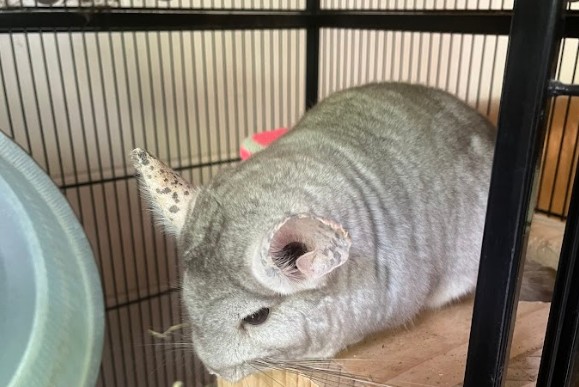
This got so far out of hand that somewhere in the 20th century, chinchillas were officially pronounced
extinct in the wild due to overhunting.
HOWEVER, shortly after, several chinchillas were found in the wild. It'd been hundreds of years since chinchillas
started being hunted, and this time people seemed to have realised their mistakes. From this point onwards, chinchillas, as a
species began to make a slight, yet steady comeback. As of now, almost all chinchillas are domesticated and hopefully living
happily with owners that know how to take care of them. Chinchillas are currently considered "endangered" by the
The International Union for Conservation of Nature simply due to their
low population. However, in my opinion, they are at no risk of extinction due to being domesticated and (hopefully) kept in
isolated environments by their owners.